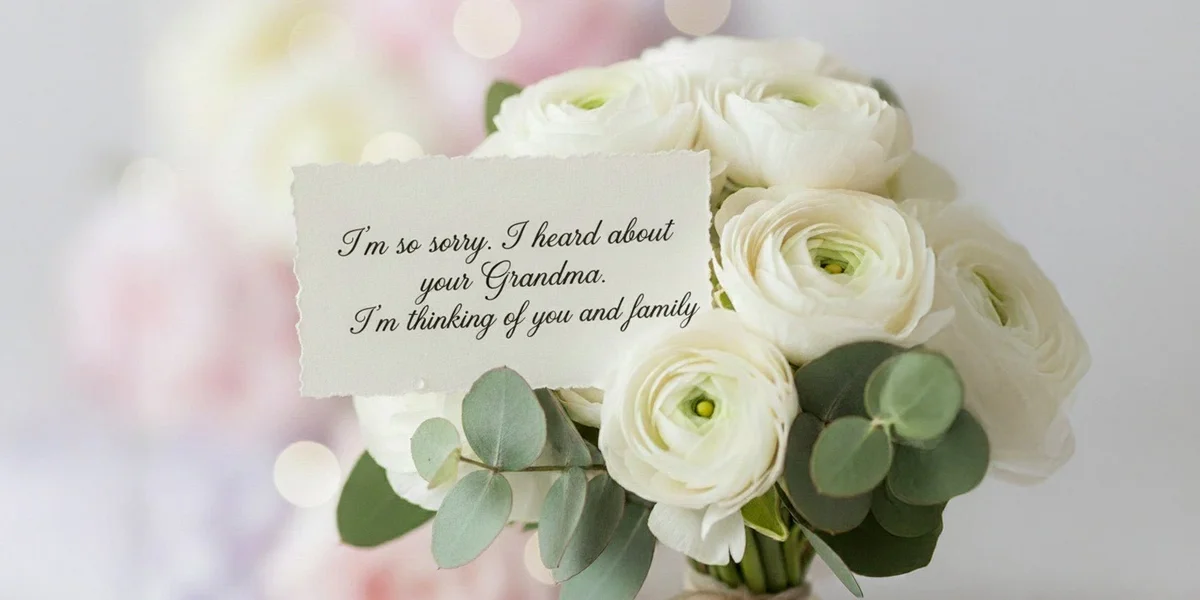


Writing a condolence message after someone dies can be very difficult. Many people find it hard, not because they don’t care, but because they are afraid of saying the wrong thing. In times of grief, words often seem too small for the sadness people feel. But if your words is sincere, even simple messages can offer real comfort.
A meaningful sympathy message does not need to be poetic or lengthy. What matters most is that it feels honest, gentle, and caring. People who are grieving are not searching for perfect words. They want to feel understood, supported, and reminded that they are not alone.
Even though we communicate more quickly in the internet age, our emotional needs remain the same. Learning how to write a condolence message helps you connect with others in a respectful and caring way.
What is a condolence message on death?
Expressing condolences on death is a heartfelt gesture. Its purpose is not to explain the loss or offer solutions, but to sincerely acknowledge grief. Bereaved individuals often remember how a message made them feel, not how eloquent it was.
A meaningful message of condolence following the loss of a loved one typically comprises three simple elements:
- An acknowledgment of the death
- An expression of empathy and affection
- An offer of support or presence
A death condolence message is emotionally weighty, unlike a typical letter. It should gently acknowledge the loss, show empathy, and offer support without overwhelming. In any form, the main goal is to remind one that they are not alone.
What matters most in a simple condolence message is showing empathy, even when words are hard to find.
Why Condolence Message Matter After a Death?
Sending a sympathy message after someone dies matters. It helps you connect during a lonely time. Grief can feel lonely, especially when daily routines around the grieving person stay the same.
After losing a loved one, emotions can feel overwhelming. People may find it hard to talk for long. They may also struggle to understand complex issues.
In moments like these, short condolence messages for loss can be a bridge, letting them know they are supported and remembered. Research on grief psychology shows that small, steady support can, over time, ease emotional distress.
How to Write a Condolence Message on Death (Step-by-Step)
Writing a condolence message after someone dies can be hard. It needs a gentle touch, a clear head, and real care for their feelings. Too many people get it wrong because they’re striving for perfection, when the truth is that simple heartfelt words are way more comforting.
Grief can feel lonely, especially when daily routines stay the same for others.
A sympathy message after a loss should feel natural, not scripted.
It should focus on human connection, not on explaining everything. By using a bit of structure, you can get your message across with care, without getting overwhelmed or stuck.
1. Start with a personal intro that breathes warmth and respect
When crafting your condolence message, begin with a tone that’s genuine and respectful. Try to avoid being too formal – you’re going to create an emotional distance that’s a real bummer during this tough time. Just ease in and show the other person you’re genuinely concerned.
Examples:
“Dear [Name], I was deeply saddened to hear this news,”
“Hello [Name], I’m so sorry for your loss,”
“To you and your family, with heartfelt sympathy,”
2. Face the loss head on
Don’t try to sidestep the fact that someone’s died – it can come across as unclear or distant. Naming the situation straight up shows you’ve got emotional courage and respect for the other person’s grief. Being clear and honest makes your condolence message feel real and sincere.
Examples:
“I’m deeply sorry for your loss.”
“I was heartbroken to hear about [Name]’s passing.”
“This must be an incredibly difficult time for you.”
3. Get your emotions out there in plain English
The heart of a good condolence message should be straightforward and genuinely emotional. Avoid long-winded explanations or big, philosophical statements that might feel like too much to take in. Instead, just speak your mind in a direct and heartfelt way.
Examples:
“My heart goes out to you and your family.”
“Sending you strength and comfort during this time.”
“You are in my thoughts and prayers.”
4. Add a personal touch with a happy memory
If you knew the person that passed away, adding a little anecdote can make your condolence message so much more meaningful. Just keep it brief and positive – focus on something that shows off their good qualities or was special to them.
Examples:
“I will always remember their kindness and warmth.”
“They brought so much joy to everyone around them.”
“Their presence made a lasting impact on many lives.”
5. Offer support, but don’t push too hard
When someone’s just lost someone, the last thing they need is someone being all up in their grill about what they can do to help. Support should feel open and gentle, not like you’re putting the pressure on them. A heartfelt sympathy message that reassures the person help is available is better than one expecting an instant response.
Examples:
“I’m here if you need anything.”
“Please reach out whenever you feel ready.”
“You are not alone in this.”
6. End on a warm, sincere note
When you wrap up your message, try to reflect some empathy and connection back at the person. Your closing should feel natural and genuine – like you’re talking to an old friend.
Examples:
“With heartfelt condolences,”
“Thinking of you,”
“With sympathy and care,”
What to say in a condolence message on death?
- I’m deeply sorry for your loss.
- I don’t have the right words, but I truly care about you and what you’re going through.
- I can’t fully understand your pain, but I’m here to support you in any way you need.
- He/She meant so much to me; I’ll always remember their kindness and the moments we shared.
- You and your family are in my thoughts during this incredibly difficult time.
- They touched so many lives, and their memory will continue to live on in all of us.
- Whenever you feel ready to talk, I’m here to listen without judgment.
- You’re not alone in this—I’m here for you, today and always.
- If words feel too heavy right now, just sitting together can mean everything.
- Sometimes, presence matters more than words—just being there can bring quiet comfort.
What not to say in a condolence message on death?
- “Everything happens for a reason, even if we don’t understand it right now.”
- “At least they lived a long life, so try to focus on the positive.”
- “I know exactly how you feel because I went through something similar.”
- “You need to stay strong and move on for your family.”
- “Time will heal everything, so this pain won’t last forever.”
- “They’re in a better place now, so you shouldn’t feel too sad.”
- “Try not to think about it too much, it will only make things harder.”
- “You should be grateful for the time you had with them.”
- “These things happen, and we just have to accept them.”
- “I didn’t know them well, but I’m sure they lived a good life.”
3 Best Ways to Deliver a Condolence Message on Death
Cards (Thoughtful and Lasting Way)
Sending a condolence or sympathy card is a caring way to show your support. The recipient can keep the card and find comfort in it during tough times. Cards work well for colleagues, distant relatives, or formal relationships. Adding a handwritten note makes it more personal and shows you are thinking of them.
Text Messages (Immediate Support)
A condolence text message offers quick and gentle support after a loss. It shows you care, even if you cannot be there in person. Texts are best for close friends or family. You can follow up later with a call or visit to give more support.
In-Person Meeting (Deep Emotional Connection)
Offering condolences in person provides strong and heartfelt support, especially for those close to you. Being there lets you show empathy through your words, a quiet moment, or a kind gesture. Face-to-face support often feels more comforting and sincere. Sometimes, simply sitting together in silence can help both of you feel comforted.
Condolence Message on Death Examples
Condolence Message on Death of Father
- “I’m so sorry for your loss. A father’s presence is irreplaceable, and his love will always stay with you.”
- “Your father’s strength and kindness will continue to live through you. Thinking of you during this difficult time.”
- “Losing a father leaves a quiet space that words cannot fill. I’m here for you always.”
Condolence Message on Death of Mother
- “A mother’s love never truly leaves us. I’m deeply sorry for your loss and holding you close in my thoughts.”
- “Your mother’s warmth and care touched so many lives. May her memory bring you gentle comfort.”
- “I’m so sorry. The bond you shared with your mother will always remain a part of you.”
Condolence Message on Death of Brother
- “I’m truly sorry for your loss. A brother is a lifelong companion, and his absence is deeply felt.”
- “Thinking of you as you remember your brother’s laughter and the moments you shared together.”
- “Losing a brother is heartbreaking. I’m here to support you through this difficult time.”
Condolence Message on Death of Wife
- “I can’t imagine your pain. Your wife’s love and presence were so special, and she will always be remembered.”
- “She was truly remarkable, and her love will continue to surround you in quiet moments.”
- “I’m deeply sorry for your loss. I’m here for you as you navigate this unimaginable grief.”
Condolence Message on Death of Grandmother
- “Grandmothers hold families together with love. I’m so sorry for your loss and thinking of you.”
- “Her wisdom and warmth will always remain in your heart. Sending you comfort during this time.”
- “I’m sorry for your loss. May her memories bring you peace and gentle strength.”
Condolence Message on Death of Father-in-Law
- “I’m so sorry for your loss. He was a respected and caring presence who will be greatly missed.”
- “Your father-in-law’s kindness left a lasting impression. Thinking of you and your family.”
- “Sending you strength as you remember and honor his life and legacy.”
Condolence Message on Death of Aunt
- “I’m deeply sorry. Your aunt’s warmth and kindness will always be remembered by those who knew her.”
- “She was such a special part of your family. Thinking of you during this time of loss.”
- “May the memories you shared with your aunt bring you comfort in the days ahead.”
Condolence Message on Death of Uncle
- “I’m sorry for your loss. Your uncle’s presence and stories will always remain in your heart.”
- “Thinking of you as you remember your uncle and the moments that made him special.”
- “His life touched many people. Sending you strength and comfort during this difficult time.”
Condolence Message on Death of Cousin
- “I’m so sorry for your loss. Losing a cousin feels like losing a piece of your shared history.”
- “Thinking of you as you remember your cousin and the bond you shared growing up.”
- “Sending you comfort and strength as you go through this painful time.”
Condolence Message on Death of Child
- “There are no words for such a loss. I’m holding you in my heart and sending all my love.”
- “I’m deeply sorry. Your child’s light and love will always remain a part of you.”
- “My heart aches for you. I’m here to support you in any way you need.”
FAQs on How to Write a Condolence Message on Death
What is the best condolence message on death?
The best condolence message on death is simple and sincere, such as “I’m deeply sorry for your loss. Thinking of you during this difficult time.”
How can one comfort someone who has lost a loved one?
Comfort them by listening, being present, and offering support. A simple condolence message and quiet presence often mean more than long explanations.
What can I say to someone who has lost a loved one suddenly?
Acknowledge the shock and express care, such as “I’m so sorry. This must be incredibly hard. I’m here for you anytime.”
How do I send a condolence text to someone who lost a loved one?
Send a short condolence text message like “I’m so sorry for your loss. Thinking of you and here if you need anything.”
What can I say instead of “sorry for your loss”?
You can say, “My heart is with you,” “Thinking of you,” or “Sending you strength and comfort during this difficult time.”