

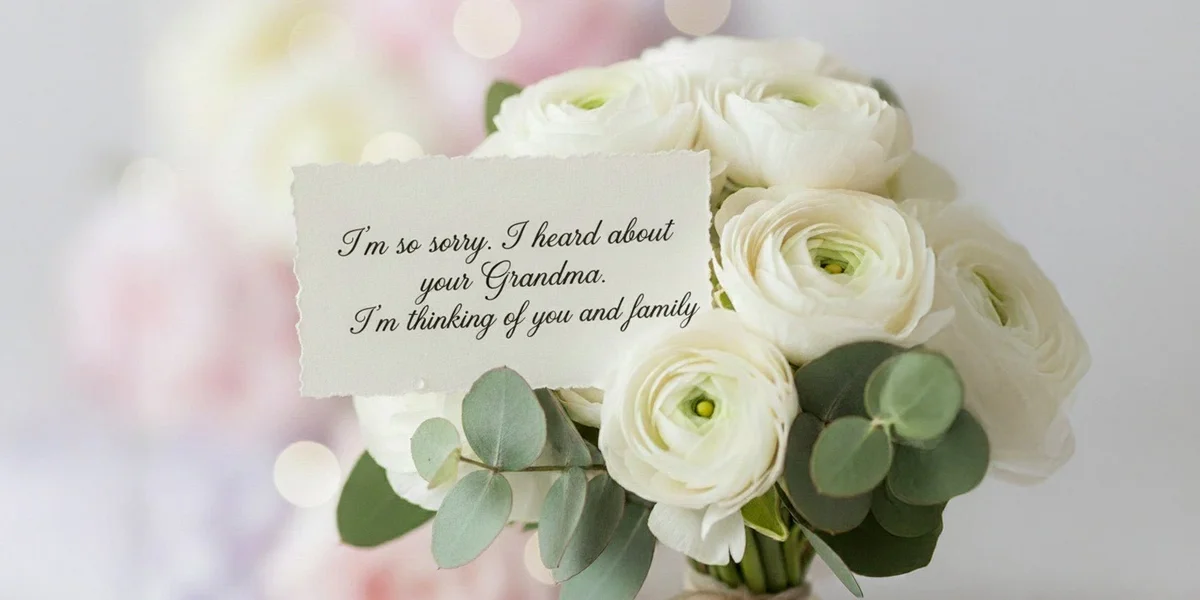
Most people freeze when they try to comfort a grieving friend.
You open the message box, type a few words, delete them, and start again. Nothing feels right enough. You worry the message may sound cold, too short, too emotional, or copied from somewhere online.
That feeling is normal.
When your best friend loses someone, they deeply love, there is no perfect sentence that removes the pain. What truly matters is honesty. Real support does not come from dramatic sympathy quotes. It comes from words that feel genuine.
A simple message sent with care can stay in someone’s memory for years.
CondolencesPlus guide will help you write a condolence message for your best friend in a natural and thoughtful way without sounding formal, robotic, or emotionally distant.
What Is a Condolence Message to Best Friend?
A condolence message is a personal expression of sympathy shared with someone after they experience a loss.
When the message is for a best friend, it usually sounds more heartfelt and personal than formal sympathy messages. Close friends already share emotional trust, so the message often feels more direct, comforting, and honest.
You are not writing to impress anyone.
You are simply trying to let your friend know:
- You care about their pain.
- You are thinking about them.
- They do not have to face grief alone.
Some people write long emotional paragraphs, and others send only one meaningful sentence, but both are completely okay.
There’s no set format for a condolence message—whether it’s a text message, a social media message, or a letter. The most comforting messages usually feel like a real conversation with another human being.
Why Do Condolence Messages Matter for Best Friend?
People often underestimate how powerful small words can become during grief.
After losing someone, many people feel emotionally exhausted. Daily tasks become harder and conversations feel draining. Some can even struggle to explain what they are feeling.
That is why supportive messages matter. A thoughtful condolence message reminds your friend that someone is standing beside them emotionally, even during a painful moment.
Sometimes people will forget advice but they usually remember:
- Who checked in on them.
- Who stayed after everyone else left.
- Who made them feel less alone.
A caring message also helps your friend feel safe expressing emotions without pressure.
Grief does not need solutions instead of most grieving people simply want understanding.
Even a short message like:
“You do not need to reply. I just wanted you to know I am thinking about you.”
can bring comfort because it feels gentle and sincere.
How to Write a Condolence Message for a Close Friend?
Many people feel anxious because they believe that condolence messages must be deeply profound or poetic. However, this is not necessary; the best messages are often the simplest ones.
1. Speak Naturally
Write the way you normally talk to your friend. If your friendship is casual and warm, let your message show that. Trying too hard to sound emotional can feel awkward.
You can simply say:
“I am truly so sorry that you are going through this.”
2. Acknowledge the Loss Directly
Don’t avoid mentioning the loss just because it feels hard. Saying it directly in your message is important and shows you understand what your friend is going through.
Examples:
“I was heartbroken to hear about your father.”
“I was deeply saddened to hear about your grandmother.”
“I can’t even imagine how painful this must feel.”
3. Include a Personal Anecdote, If Possible
If you knew the person who passed away, try to share a memory or something special about them in your message. Personal details make your words feel more real and less generic.
Examples:
“Your mother always made everyone feel welcome.”
“I still remember how your brother could always make everyone laugh.”
“Your grandfather was such a calm and kind-hearted man.”
4. Do Not Pressure Your Friend to Respond
People who are grieving might not have the energy to reply. Rather than expecting a response, just let your friend know you’re there for them, no matter what.
You can say:
“There is no need to reply right now.”
“I just wanted to let you know that I am here for you.”
“Please take all the time you need.”
5. Offer Help in a Concrete Way
Instead of saying:
“Let me know if you need anything at all.”
Try offering something more specific.
Examples:
“I could bring over dinner tomorrow night, if you’d like.”
“If you need someone to keep you company, I’m free anytime.”
“I can help you run some errands this week.”
Example of a Sincere Message of Condolence
“To be honest, I can’t quite find the right words right now, but I am truly sorry for your loss. Your father was a very good man, and I know how much he meant to you. Whenever you need someone, I’m here for you—even if it’s just to sit together in silence.”
What to Say to Best Friend in a Short Condolence Message Who Lost a Loved One?
Short messages often feel more real because they are simple and direct.
- “I am so sorry for your loss.”
- “Thinking about you today.”
- “My heart hurts for you.”
- “I am here whenever you need me.”
- “Sending you love right now.”
- “You are not alone in this.”
- “I wish I could make this easier for you.”
- “Keeping you in my thoughts.”
More emotional messages for close friends
- “I hate that you are going through this.”
- “I wish I had words that could help more.”
- “Take things one hour at a time.”
- “You do not have to carry this alone.”
What Not to Say in a Condolence Message for Best Friend?
Even kind people sometimes say things that unintentionally hurt grieving friends.
Most of the time, it happens because they are uncomfortable with sadness and try to fix it too quickly.
Avoid empty positive phrases, example:
- “Everything happens for a reason.”
- “Stay positive.”
- “At least they lived a long life.”
- “I know exactly how you feel because I lost someone too.”
- “I know exactly how you feel because I lost someone too.”
- “You need to move on.”
- “Keep yourself busy.”
- “Time heals everything.”
3 Best Ways to Offer Words of Comfort to Your Best Friend
1. Write a Handwritten Sympathy Card
A handwritten sympathy card is much more personal than a quick online message. When someone is grieving, small gestures really matter because they show you took the time to care.
You don’t have to use dramatic or poetic language. Just write a few honest words.
Example:
“I know I can’t say anything that will take this pain away, but I want you to know that I am here for you. Your mother was a wonderful person, and I will always remember her kindness.”
2. Send a Thoughtful Text Message at the Right Moment
Text messages might seem simple, but during tough times, they can bring comfort right away. After losing someone, people often feel numb and tired. They might not be up for a long talk.
A caring text can gently remind your friend that they’re not alone.
What matters most is being sincere. Try not to use sympathy lines you found online, since they can sound empty. Write just like you would talk to your friend.
Example:
“I just heard the news, and honestly, I don’t have the right words to say right now. I am truly so sorry. I’m here for you whenever you need me.”
3. Visit in Person Whenever Possible
Being with someone in person can bring much more comfort than words alone.
When someone is grieving, they might forget what was said, but they remember who was there for them. Sitting together quietly or just listening often means more than anything you could plan to say.
You don’t always need to give advice or find the perfect words. Often, just being there is what matters most.
People who are hurting remember the support you give by being there and showing you care. The right words matter less than showing up and being genuine.
FAQs on How to Write Condolence Message for Best Friend?
What is the best condolence message for a best friend?
The best condolence message is one that feels honest and supportive. Simple words spoken with sincerity are often more comforting than formal sympathy quotes.
Example:
“I’m really sorry you’re going through this. I’m here whenever you need me.”
How long should a condolence message be?
A condolence message can be short or detailed. Even a few heartfelt sentences are enough if they genuinely express care and support.
How do you comfort a best friend after a death?
Comforting a grieving friend is not only about words but consistent presence matters more. Helpful ways to support them:
- checking in regularly
- listening without interrupting
- helping with small daily tasks
- remembering important dates later on
- allowing them to grieve without pressure
Is it okay to send a condolence message through text?
Yes. A text message is completely acceptable, especially when offering immediate support. Many people appreciate quick emotional reassurance during grief.
Should I mention the person who passed away?
Yes, if you knew them personally. Sharing a positive memory can make your message feel more meaningful and personal.
What if I do not know what to say?
You do not need perfect words. Simply expressing sympathy and reminding your friend you are there for them is enough.
When should I send a condolence message?
It is best to send your message as soon as you hear about the loss. However, support later in the grieving process is also deeply appreciated.
Can humor be included in a condolence message?
Only if you share that type of relationship and know your friend would find comfort in it. Otherwise, gentle and respectful words are usually safer.
What matters most in a condolence message?
What matters most is sincerity. Grieving people rarely remember perfect wording, but they always remember genuine kindness and support.