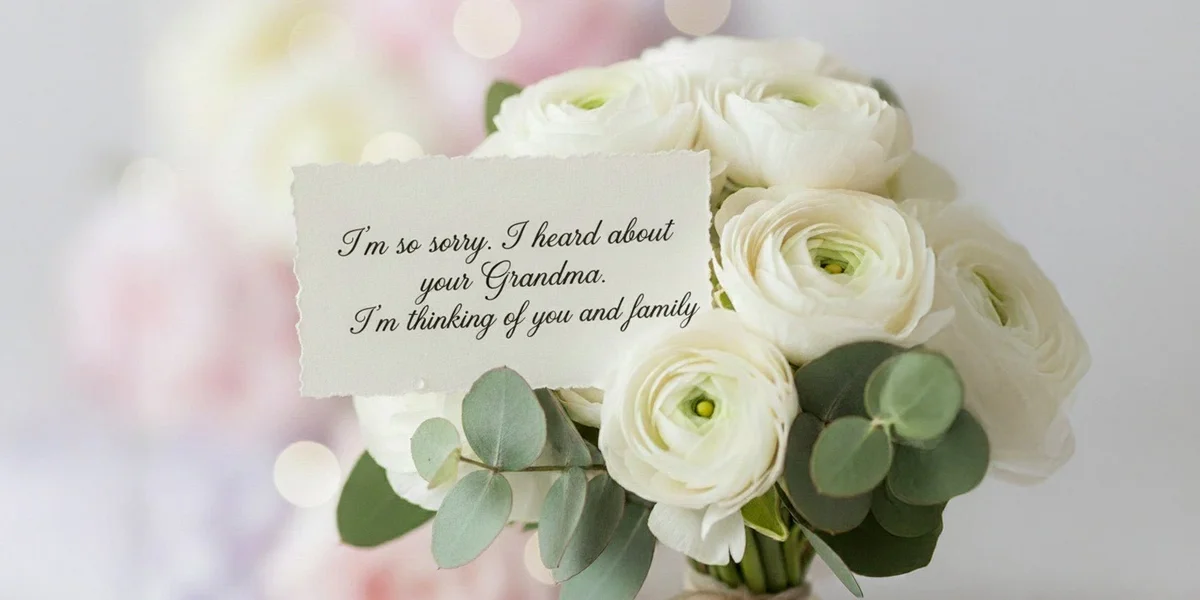


Losing someone you care about is never easy. In these times, even a simple, heartfelt message can mean a lot. Still, it’s common to feel unsure about what to say. If you’re looking for help with writing a short condolence message to a family, you’re not alone.
This guide will guide you how to write messages that are caring, respectful, and comforting, while also paying tribute the person who has passed away.
What is a short condolence message to family?
A short condolence message simply shows sympathy after a death. These messages—one to three sentences—offer comfort, respect, and support. Grieving families find them easier to read than longer notes.
People send these messages by text, card, or online, especially soon after a loss. Grief support groups, such as the Hospice Foundation of America, say reaching out quickly helps the bereaved feel less alone.
A short sympathy message helps by acknowledging the loss without overwhelming the family with words or emotions.
Why a short condolence messages matter to family?
A short condolence message is important because grieving families often feel emotionally drained and mentally tired after losing someone.
At such a difficult time, families may not have the energy to read long messages or reply in detail. A short, heartfelt note gives comfort without adding stress, so it is easier for them to accept your support.
Studies from grief support groups show that simple messages can help people feel less alone in the early days of mourning.
Short sympathy messages focus on empathy, helping families feel noticed, supported, and remembered. They also make it easier for people to reply quickly, which helps create a timely emotional connection when it is needed most.
Here’s why short condolence messages mean so much to families:
- They respect what the family can handle emotionally during grief.
- They give comfort right away without too many details.
- They feel more real and less forced.
- They help people offer support and connect at the right time.
- They keep the focus on caring, not on complicated words.
During hard times, honest words bring more comfort than long, detailed messages.
How to write a short condolence message to family on death?
When writing a short death condolence message to a family, it really helps to be genuinely empathetic, clear & simple. Instead of stressing over choosing the right words, simply try to show the family that you care about them, that you are with them, and that you are thinking of them.
Top 5 Parts for Writing a Short Condolence Message to Family
- Start with a gentle & respectful opening
Start your condolence message with a warm hello to set the right tone from the get go. That helps the family feel like you see them and that you respect them.
Examples:
“Dear [Family Name]”
“Hello [Name], I was really saddened to hear that news”
“To the [Family Name] family”
- Express your heartfelt condolences clearly
This is the core of your message, where you directly acknowledge the loss. Just use simple, sincere words that are easy to understand.
Examples:
“I’m deeply sorry for your loss”
“My sincere condolences to you all”
“Thinking of you during this really tough time”
- Add a brief personal memory (if it feels right)
Sharing a quick memory of the person who passed away adds a personal touch. It makes your message feel more heartfelt and genuine
Examples:
“I’ll always remember their kindness and warmth”
“They brought such joy to everyone around them”
“Their memory will always stay with us in our hearts”
- Offer support in a simple & genuine way
When you’re offering support, just keep it simple & realistic, so your words come across as comforting rather than overwhelming
Examples:
“I’m here for you if you need anything”
“Please don’t hesitate to reach out anytime”
“Sending you strength & support”
- Close with a warm & respectful ending
Finish your condolence message with a kind closing that shows you genuinely care. That helps leave a comforting impression on the family
Examples:
“With deepest sympathy”
“Thinking of you”
“Warm regards, [Your Name]”
What to say to someone in a short condolence message who lost a loved?
- “I am deeply sorry for your loss.”
- “My heartfelt condolences to your family.”
- “Thinking of you during this incredibly difficult time.”
- “My heart goes out to you and your loved ones.”
- “They will always be remembered for their kindness and warmth.”
- “Their presence touched so many lives in a beautiful way.”
- “I’m here for you whenever you need support.”
- “Please don’t hesitate to reach out if you need anything.”
- “Holding your family close in my thoughts as you walk through this painful time.”
- “Wishing you quiet strength and gentle moments of peace in the days ahead.”
- “Your loss is deeply felt, and your loved one’s memory will always carry warmth.”
- “May love surrounds your family and bring comfort when words feel insufficient.”
- “Thinking of you and hoping small moments of peace find their way to you.”
What not to say in a short condolence message to family?
- “Everything happens for a reason”
- “They lived a full life”
- “They’re in a better place now.”
- “At least they didn’t suffer long.”
- “You should stay strong for your family.”
- “I know exactly how you feel.”
- “Time will heal everything.”
- “It was meant to happen.”
- “Be grateful for the time you had.”
- “You’ll move on soon.”
- “At least they lived a long life.”
- “Try not to think about it too much.”
3 best ways to deliver a short condolence message to family
How you deliver a short condolence message to a family matter as much as what you say. The way you share your words can shape how they are received and remembered. In our connected world, being both prompt and sincere helps your message reach the family when they need it most.
No matter which method you choose, it’s important to match it to your relationship with the family and their needs.
1. A Handwritten Condolence Card – the Most Personal and Lasting
Handwriting a condolence card shows caring thoughtfulness, which means a lot to a grieving family. Cards can be kept and reread whenever needed, unlike emails, which may get lost.
Why it works:
- There’s something genuinely heartfelt about a handwritten message.
- A card is something the family will keep and treasure for years to come.
- You can just tell that you’ve put some genuine effort into your condolence.
2. A Quick Text or Message on WhatsApp (When You Need to Act Fast)
If you hear about someone’s loss and wish to offer support, sending a brief text or WhatsApp message can be very helpful. This allows you to connect quickly and help alleviate some distress.
Why it works:
- It gives the person a warm feeling and lets them know you’re thinking of them straight away.
- This kind of message is perfect when you and the person are close and used to chatting quickly.
- Less is often more in situations like this, though – so a short message is usually just right.
3. Sending an Email or Online Message (Sometimes that’s just what’s needed)
If you are not closely connected to the family or if the circumstances are professional, sending a condolence email or online message is appropriate. This method allows you to express sympathy while respecting personal boundaries.
Why it works:
- It’s perfect for workplace settings or when you’re not close to the family.
- You can take a bit more time to write something thoughtful while still keeping it concise.
- It’s easy to send it when you can’t be there in person.
FAQs on How to Write a short condolence message to family
What is the best condolence message short to the family?
A short condolence message to a family should recognize their loss and offer comfort, but it does not need to feel overwhelming. What matters most is showing empathy, not finding the perfect words or length.
How long should a short condolence message be?
A short death condolence message should ideally be 1–3 sentences. It should be brief but meaningful to a family.
Is it okay to send a condolence message late to family?
Yes, it’s always okay. Even a delayed message shows that you care and are thinking of the family.
Should I include religious words in my message?
Only if you are sure the family shares similar beliefs. Otherwise, keep your message neutral.
What if I don’t know what to say?
Keep it simple. A sincere line like “I’m sorry for your loss” is always appropriate.
What can I say instead of “sorry for your loss”?
If you want to use something other than common phrases, there are many thoughtful and personal options.
Examples:
- “My heart is with you and your family right now.”
- “Sending you strength and comfort during this time.”
- “Holding you in my thoughts as you go through this loss.”
How can I give comfort to a friend who lost a loved one?
Comforting someone is more than just words, but sending a short condolence message to a friend is a good way to start.
You can offer comfort by:
- Listening without interrupting or giving advice
- Sending a simple, thoughtful message regularly
- Offering small, practical help when possible
- Respecting their space and emotional pace